
What are you looking for?

Life after serious injury: Hope, recovery and purpose


When someone sustains a life changing serious injury, the future can seem irreparably altered, both for the individual and their loved ones. Louise Gardner, Senior Associate in our Serious Injury team, explores how, even when prognoses from medical staff in the early days are often bleak, there is still hope.

Families can sometimes be told that meaningful recovery is unlikely, that their loved one may not walk, talk or live an independent life again. Whilst sometimes those messages can unfortunately be reality, I have seen that, with the right guidance, support, rehabilitation, therapeutic framework and above all, a motivated client, recovery can exceed even the most cautious expectations. Progress is possible, even when the initial outlook is poor.

Specialist rehabilitation after a severe life changing injury demands more than medical input alone. It requires collaboration between case managers, therapists, care providers, and their legal team to build the foundations of a structured, fulfilling life beyond the acute phases of recovery. I work with therapists and case managers to develop a strong therapeutic framework and scaffolding through carers and support staff, that provides for both safety and personal growth. It can allow clients not only to make physical gains but to also develop skills to enable, as far as possible, an independent and fulfilled life with purpose and dignity.

This approach was key in a claim I recently settled where my client, Gavin (whose name we have changed for privacy reasons), had sustained a severe brain injury in a road traffic collision. His brain injury had a profound effect on his mobility, cognition, executive function and behaviour. Gavin’s future, post injury, focused on one shared goal: helping him live meaningfully in the community with support rather than in residential care for the rest of his life.

Case study: Gavin’s journey to independence

Gavin sustained devastating injuries when he was struck by a car that had mounted the pavement. He suffered multiple fractures to the skull, severe injuries to his brain resulting in left-sided weakness, epilepsy, and significant cognitive and behavioural challenges.

Gavin presented with a GCS of 3/15; the lowest possible and his family were advised to prepare for the worst. Following admission to hospital, he underwent a decompressive craniectomy and contusionectomy followed by cranioplasty. Gavin was PEG fed for many months and developed epileptic seizure activity. His GCS was reduced through his hospital admission. Gavin was unable to follow commands, had dysfunctional swallow, was non-verbal and was reliant on hoisting.

For several years post discharge, Gavin lived in specialist rehabilitation and residential care facilities initially focusing on physical rehabilitation. He learnt to walk, talk, and eat again over a number of years. However, his psychiatric state and behaviour was poor, resulting is disinhibited behaviours and aggression.

A final move into a residential rehabilitation centre took place during the midst of the Covid Pandemic. Despite the challenges in care and therapy over various lockdowns, Gavin and his treating team, comprising of both Integrated Care Board (ICB) and privately funded therapists, sought to improve his psychiatric state, communication and overall function.


Get in touch

If you or a loved one have sustained a serious injury and wish to seek legal advice, contact one of our specialist solicitors today.

The next stage for Gavin

After many months of multi-disciplinary team input, many challenges and even more successes, spearheaded by his Case Manager, Gavin’s treating team concluded that he had reached the limit of what residential rehabilitation could offer. Gavin had the potential to live successfully in the community, with structured care and support.

However, the Defendant’s legal team and their instructed experts argued that community living would be unsafe for Gavin and the wider community; that he was too psychiatrically damaged to leave residential care.

It took persistent collaboration between myself, two leading Kings Counsel, nationally renowned medical experts, an experienced brain injury case manager, therapy team, and the Litigation Friend’s constant advocating, to change that narrative. Through the latter year of the claim, my team and I were able to provide evidence of his progress, meaningful engagement, and development independent life skills, through detailed and goal orientated case management, support and therapeutic note taking.

I was able to evidence that, with the right 2:1 support, case management, and therapeutic structure, Gavin could thrive in his own home in the community. In Autumn 2025, the High Court approved the £13.84 million capitalised settlement that I secured at a Joint Settlement Meeting with the Defendant’s legal team, who had finally accepted that Gavin was capable of living in the community with support.

The settlement sum included annual payments to cover 24-hour 2:1 support and case management over his lifetime, as well as significant lump sum to fund new accommodation, therapies, professional deputyship, and lifelong lost earnings. This settlement guarantees that Gavin will have the resources and professional support he needs to live safely and meaningfully in the community; the settlement enabling him to build a fulfilled life with more hope and progression ahead. This outcome reflects the best of what collaborative rehabilitation and the right legal team can achieve.

In our Serious Injury team, my colleagues and I are proud to stand beside survivors of life changing brain, spinal, limb loss, polytrauma injury and their families. Not only fighting for compensation, but helping them rebuild their futures through rehabilitation and therapy with confidence, security, and purpose.

Author bio

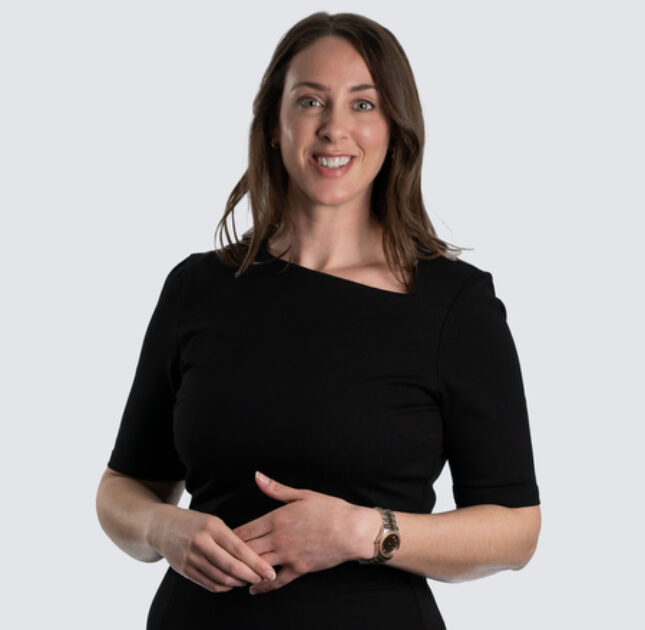
Louise Gardner

Senior Associate

Louise Gardner is a Senior Associate in our Serious Injuries team representing claimants with traumatic brain injuries. Louise joined Hugh James in 2023. Louise’ cases are often complex, can involve disputed liability and involve significant damages. She has a proven track record of securing rehabilitation, therapies, interim payments and support for her clients as well as significant compensation for her clients.

Disclaimer: The information on the Hugh James website is for general information only and reflects the position at the date of publication. It does not constitute legal advice and should not be treated as such. If you would like to ensure the commentary reflects current legislation, case law or best practice, please contact the blog author.


Next steps

We’re here to get things moving. Drop a message to one of our experts and we’ll get straight back to you.

Call us: 033 3016 2222

Message us