
20 April 2026 | Comment | Article by Stephanie Eedy

Preparing your garden for summer: spotting Japanese knotweed early and protecting your rights


Japanese knotweed is one of the most problematic invasive plants affecting properties across England and Wales, and as summer approaches, it is the most important time for homeowners to check.

Catching it early can make a significant difference. Left unchecked, knotweed can spread quickly, affect your ability to use your garden, reduce property value, and in many cases give rise to a legal claim where it originates from neighbouring land.


Contact us

If you feel your garden has been affected by Japanese knotweed, and you may have a claim, get in contact with our Environmental Team today.

Why summer is the key time to check for Japanese knotweed

Japanese knotweed is hardest to identify in winter and early spring. By summer, however, it is fully grown and far more visible, making it the best time to inspect your garden and boundaries.

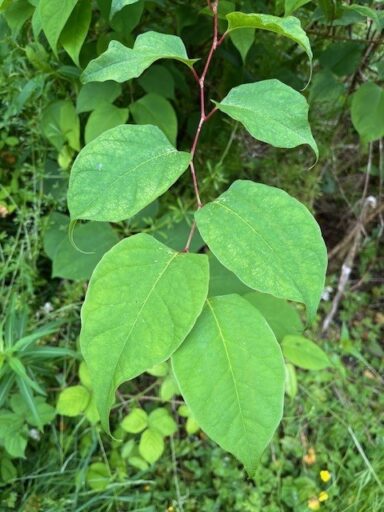
At this stage, the plant can reach up to two to three metres in height, with tall green stems marked by purple speckles and broad, flat leaves growing in a distinctive zig-zag pattern. In late summer, small clusters of creamy-white flowers may appear.

If you notice fast-growing plants returning in the same location year after year, particularly near a boundary, it is worth investigating further.

What to look for around your garden boundaries

A careful check of your garden during the summer months can help you identify problems before they escalate. Pay particular attention to areas along fences, walls, and any boundary shared with neighbouring land.

Japanese knotweed often spreads from nearby properties, including neighbouring gardens, commercial sites, or railway embankments. Even if the visible growth appears limited, the underground root system can extend several metres and may already have crossed into your land.

Signs that may indicate a problem include persistent regrowth in the same area, dense clusters of tall stems, or unexplained vegetation appearing close to your boundary line.

Below is a picture our Environmental team have taken to demonstrate what Japanese Knotweed looks like.

Japanese knotweed

Why Japanese knotweed can lead to a legal claim

Japanese knotweed is not just a gardening issue. The courts now recognise it as a legal nuisance.

If knotweed spreads onto your property from neighbouring land, the owner or occupier of that land may be responsible. The law recognises that the presence of knotweed can interfere with your enjoyment of your property and can impact its value.

Crucially, you do not need to wait for physical or structural damage before taking action. The encroachment of the plant itself, and the effect it has on your property, may be enough to support a claim.

Your neighbour’s responsibility to control knotweed

Landowners are expected to take reasonable steps to prevent Japanese knotweed from spreading from their land.

Where a neighbour knows, or ought reasonably to know, that knotweed is present and fails to take appropriate action, they can be held liable for the consequences. This can include the cost of treatment, as well as compensation for the impact on your property.

What to do if you suspect Japanese knotweed

If you identify or suspect knotweed in your garden, the key is to act carefully and early.

Avoid disturbing the plant, as cutting or digging can cause it to spread further. Instead, seek professional identification from a specialist and consider whether the source may be neighbouring land. Keeping a clear record of what you have observed, including photographs over time, can be important if the issue develops into a dispute.

Taking early advice can help you understand your position and avoid the problem becoming more complex or costly.

Preparing your garden each summer: a simple check

Making knotweed checks part of your regular summer garden routine can help you stay ahead of the issue. Focus on boundary areas, hidden corners, and any space adjoining neighbouring land.

Early identification not only makes treatment more effective, but also strengthens your position if the problem originates from elsewhere.

How we help with Japanese knotweed claims

We have extensive experience acting for homeowners affected by Japanese knotweed, particularly where it has spread from neighbouring land.

Our work includes investigating the source of the infestation, working alongside surveyors and treatment specialists, and pursuing claims to recover treatment costs and compensation. We also assist in resolving disputes with neighbours, developers, and public bodies.

These cases are highly fact-sensitive. Early, well-structured advice can make a significant difference to the outcome.

Speak to our Environmental team

If you are concerned about Japanese knotweed in your garden this summer, it is important to understand your rights and options at an early stage. We can help you assess whether you may have a claim and guide you through the next steps.

Contact us

Author bio

Stephanie Eedy

Partner
Stephanie Eedy specialises in group actions on behalf of communities and residents across England and Wales affected by various forms of environmental pollution such as odour, noise and dust emanating from factories, landfill sites and other similar commercial entities.  She has successfully concluded a number of environmental group actions in locations within the UK and has secured compensation and an end to the nuisance on behalf of a large number of individuals.

Disclaimer: The information on the Hugh James website is for general information only and reflects the position at the date of publication. It does not constitute legal advice and should not be treated as such. If you would like to ensure the commentary reflects current legislation, case law or best practice, please contact the blog author.


Next steps

We’re here to get things moving. Drop a message to one of our experts and we’ll get straight back to you.

Call us: 033 3016 2222

Message us