Mr James McGarry, a former soldier in the British Army, brought a claim against the Ministry of Defence after sustaining a Non-Freezing Cold Injury (NFCI) to both feet during military training.
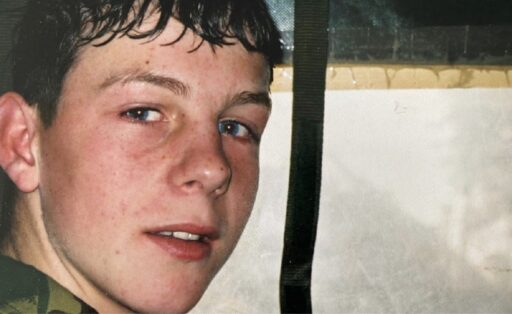 [Photo of James McGarry]
Mr McGarry joined the Army as a teenager, having left school in 2000. A career in the military had been his ambition from a young age, and he went on to serve with the Black Watch, now part of the Royal Regiment of Scotland.
During Phase 1 basic training in January 2001, Mr McGarry took part in a 4-5 day outdoor exercise at Otterburn. The weather was cold, wet and windy, and he slept outdoors under a poncho. Although he tried to carry out wet and dry drills, his feet became constantly cold and wet.
Part-way through the exercise, Mr McGarry began to experience numbness, swelling and pain in his feet. By the final day, his feet were swollen and discoloured, and he was struggling to walk or put pressure on them. Despite reporting his symptoms, he remained in the field until the exercise was completed.
After returning to barracks, Mr McGarry was admitted to hospital for three days and was further diagnosed with a Non-Freezing Cold Injury. He was placed on light duties and later downgraded because of the injury.
Mr McGarry went on to complete Phase 2 training and joined his regiment in Fallingbostel, Germany. However, further cold exposure caused his symptoms to worsen. He experienced burning sensations, pins and needles, coldness and numbness in his toes. In November 2003, a medical board decided that he should be downgraded to P8 and medically discharged from service, at 21 years old.
As a result of the injury, Mr McGarry was unable to continue the Army career he had hoped for. He had wanted to serve a full 22-year engagement, but his military career ended in 2005 when he was still only a young man.
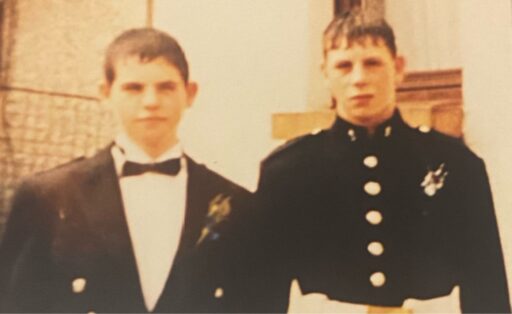
[Photo of James McGarry and his brother]
Since leaving the Army, Mr McGarry has continued to suffer symptoms in cold weather, including pain, numbness and pins and needles in his feet. He has to avoid cold and wet conditions and take precautions such as wearing thermal clothing, thick socks and suitable boots.
The injury has affected Mr McGarry’s working life – he has had to focus on indoor roles and avoid employment involving exposure to cold conditions.
For Mr McGarry, the loss of his Army career was devastating, as he described joining the Regular Army as “like a dream come true”.
Nia-Wyn Evans, Partner in our Military team, worked with Gwenllian Evans on this case, and said:
“Mr McGarry’s case shows the profound and lasting impact that a non-freezing cold injury can have on a serviceperson’s life and career. He joined the Army as a teenager with every intention of building a long-term future in the military, but his injury changed that path entirely.
Despite clear symptoms during training and later restrictions on his duties, he continued to experience the consequences of cold exposure for years afterwards.
We are pleased to have supported Mr McGarry in pursuing a claim that reflects not only the physical symptoms he continues to live with, but also the loss of the military career he had worked so hard to achieve.”